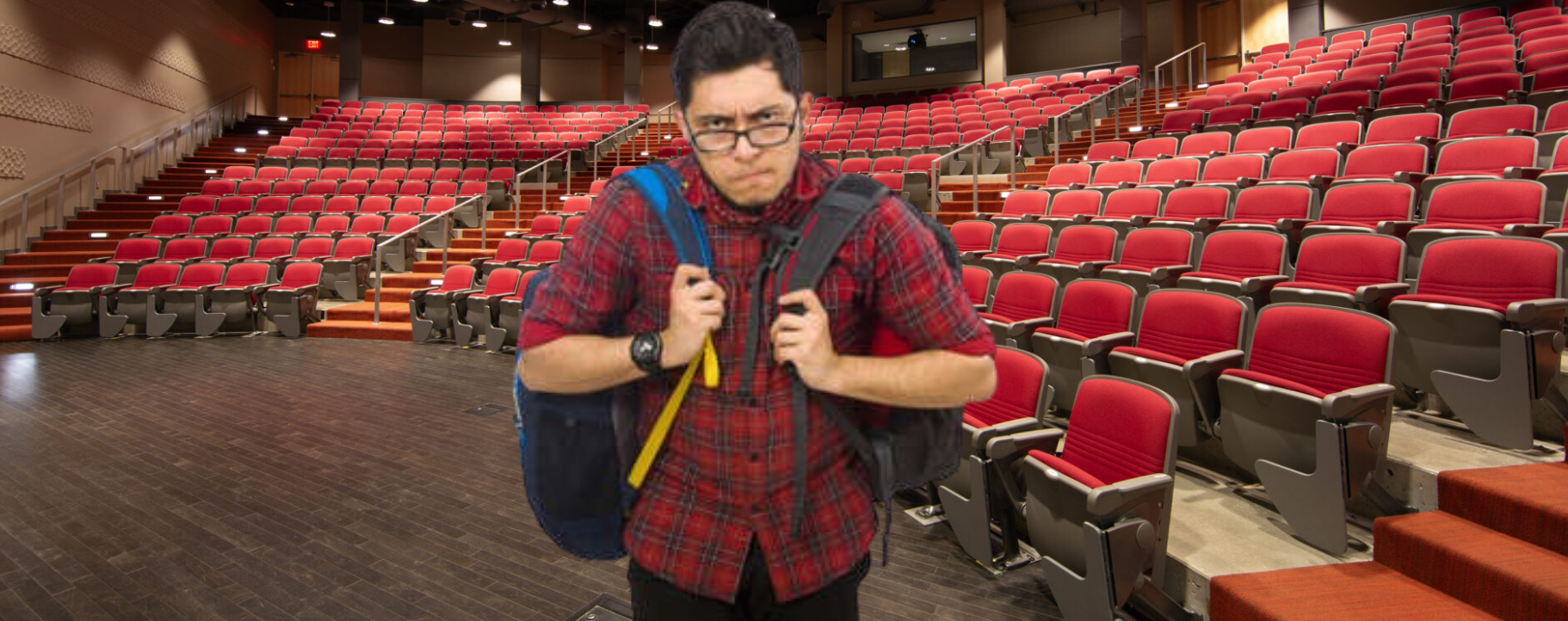









BIOTECHNOLOGY BUILDING—As a research university, Cornell provides the unique opportunity for undergraduate students to get involved in laboratories on campus. Not all students, however, are cut out for research. It can be a harsh environment, which is why so many are grateful to have “made it out,” after graduating.
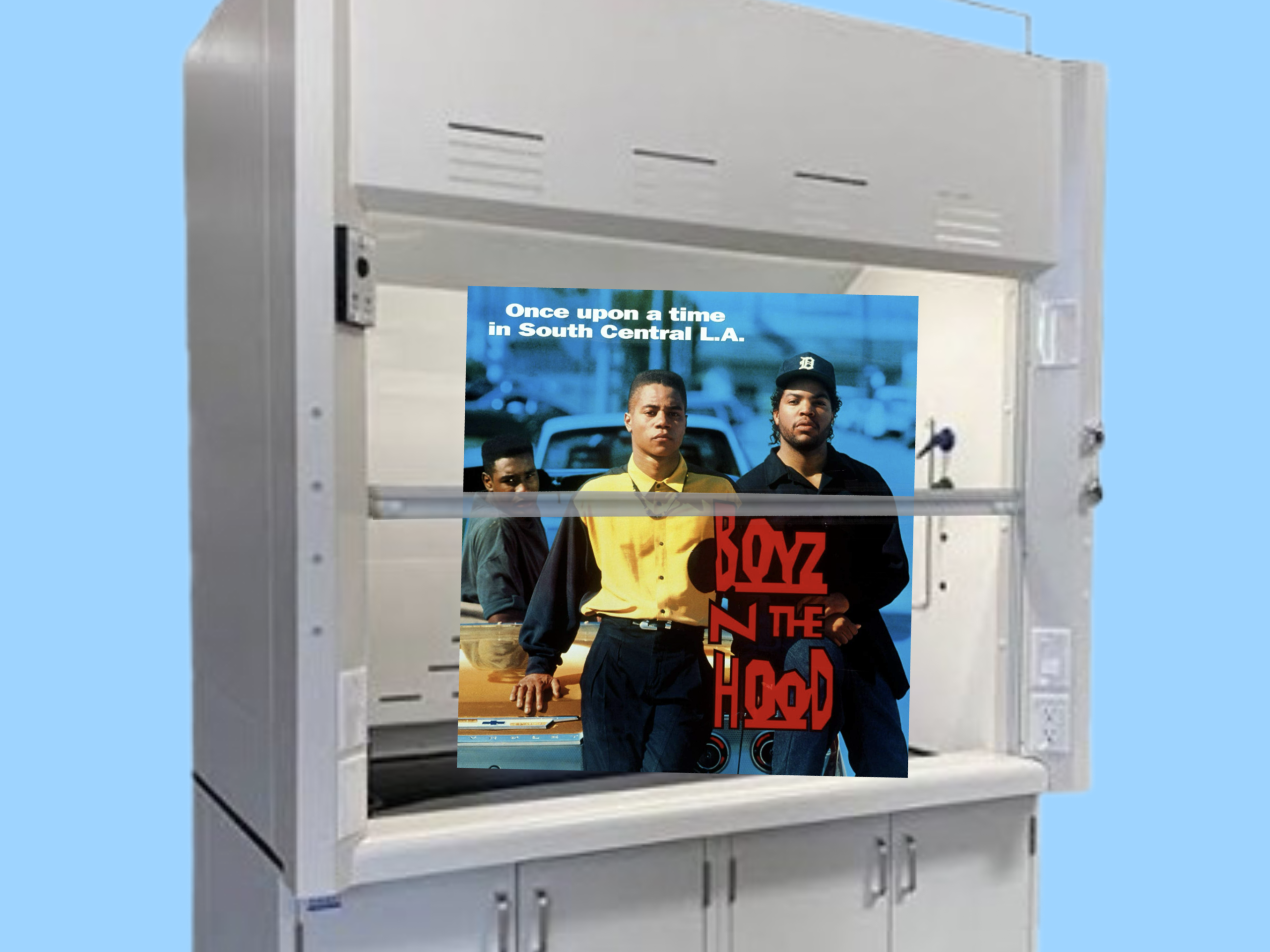
Elizabeth Clark ‘29 is a Biological Sciences major from Maine. Despite growing up in a gated community, she insists she now understands “the struggle of the projects, having been in the hood for a while.” She fails to mention, however, that she is referencing a research project and her work done in the fume hood. “The hood is no place to play about safety,” states Clark. Though she wears all her proper PPE and adjusts the sash as needed, she tries to remain extra vigilant of her surroundings. She also ensures she never goes to the fume hood without her lab partner, as it’s “safer to travel in groups.”
When it was pointed out to Clark that her statements may be misinterpreted, she doubled down. “You don’t know what it’s like in there,” she barked. “And the lab has a very urban feel. I went to the Bronx once and it’s just like that.” She also reported facing economic struggle due to lack of grant money. Though ultimately, Clark thinks it made her more resilient.
Even with her explanation, many of Clark’s peers are upset about her remarks. Jessica Robbins ‘28 is a Plant Sciences major and says that Clark has no reason to complain about her laboratory’s equipment. “The Biotechnology Building has been completely gentrified. That’s not a fume hood, it’s a fume neighborhood,” says Robbins. Instead, she wants to discuss the redlining keeping Bradfield Hall underfunded.